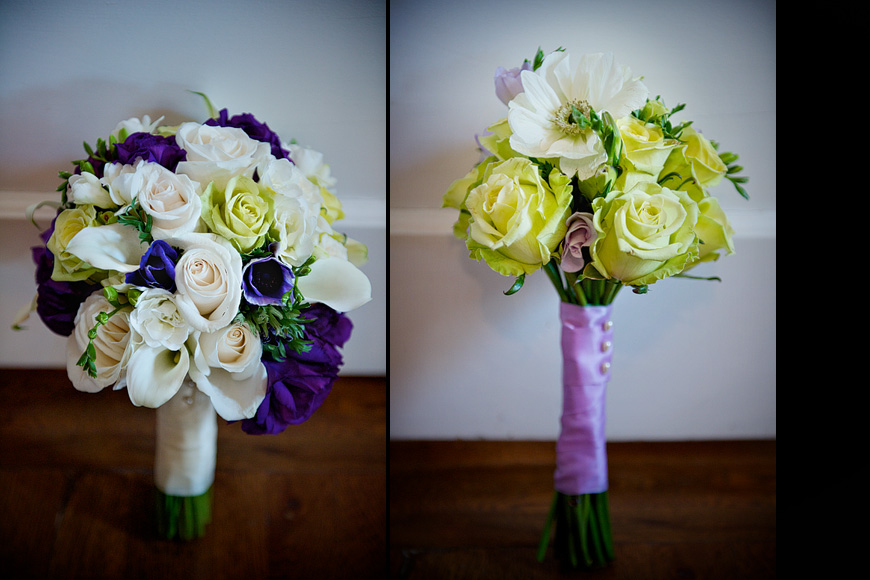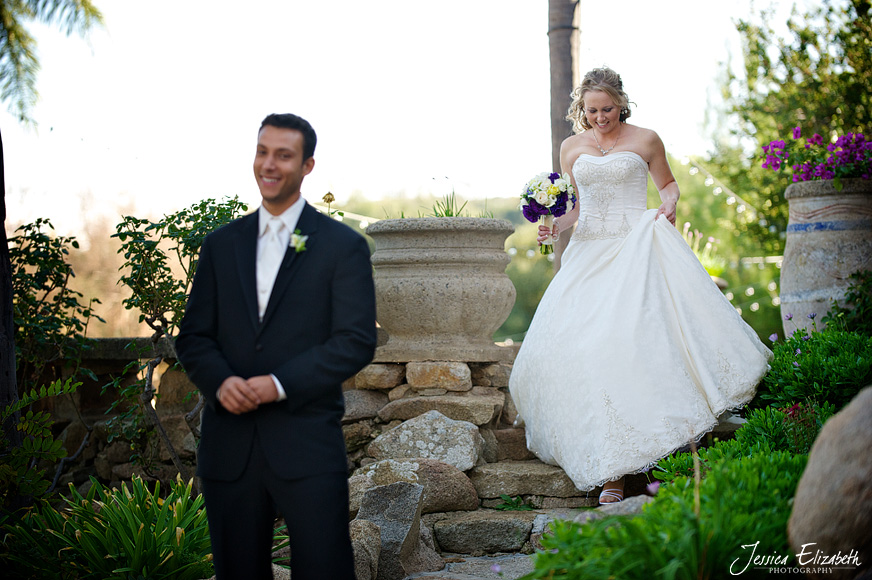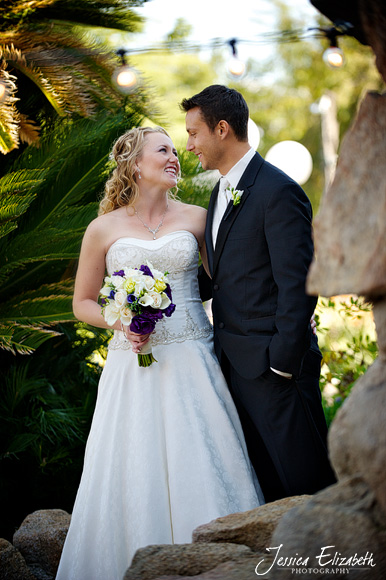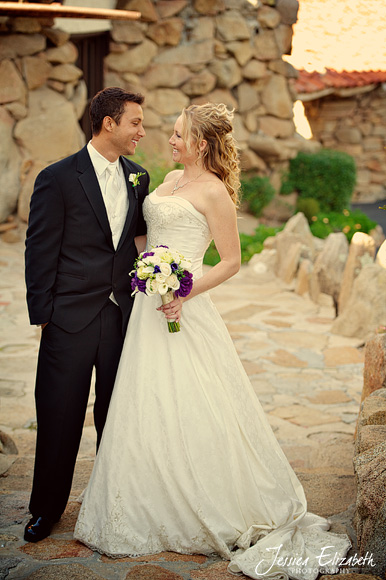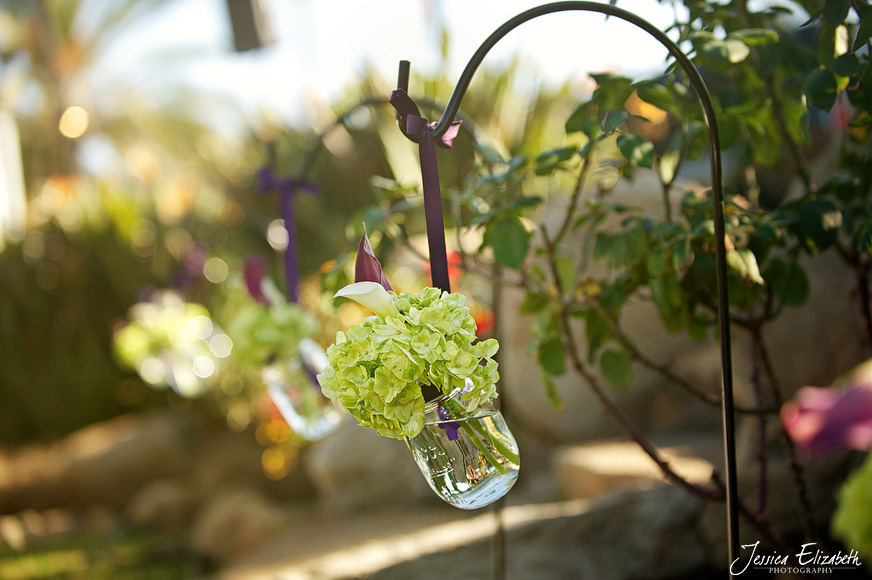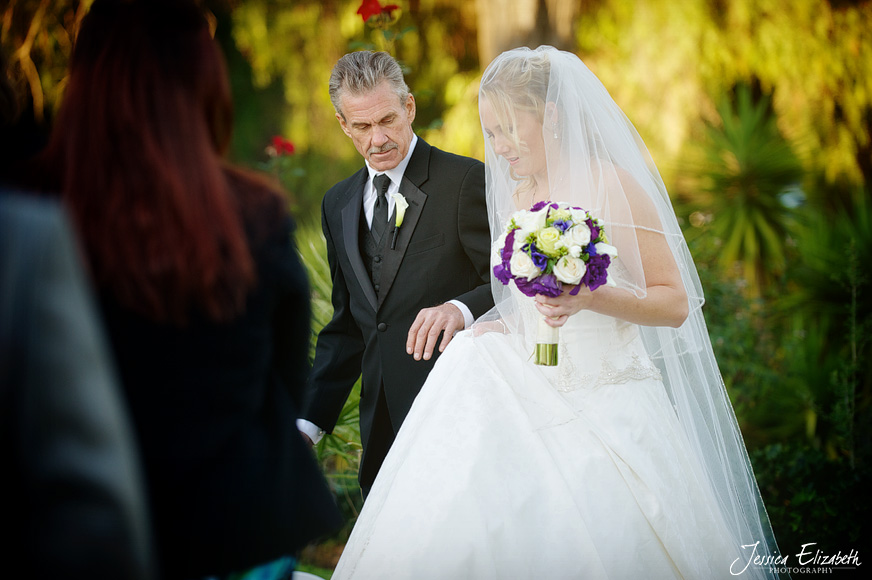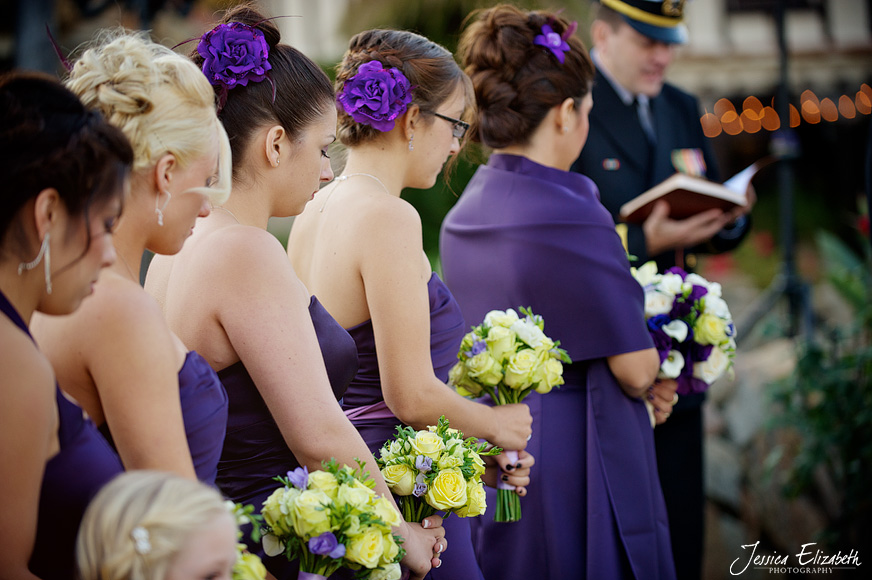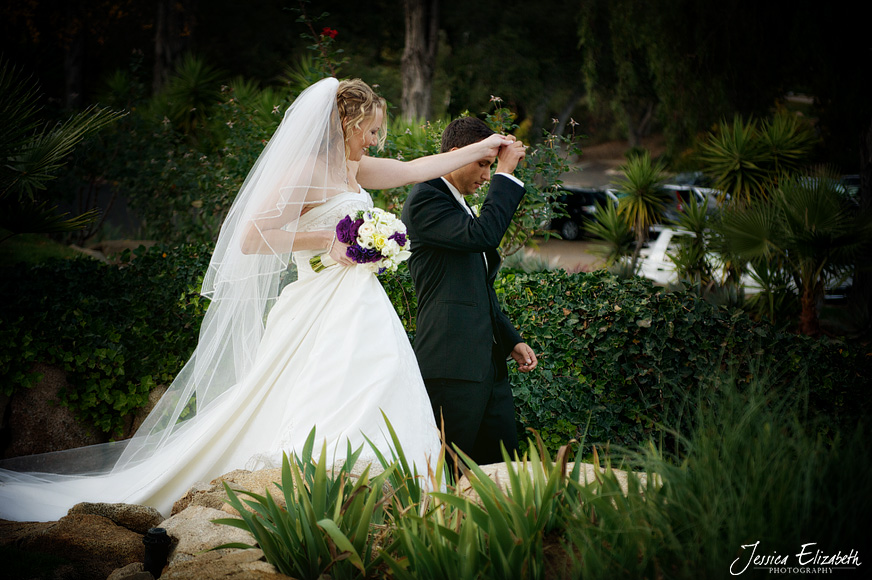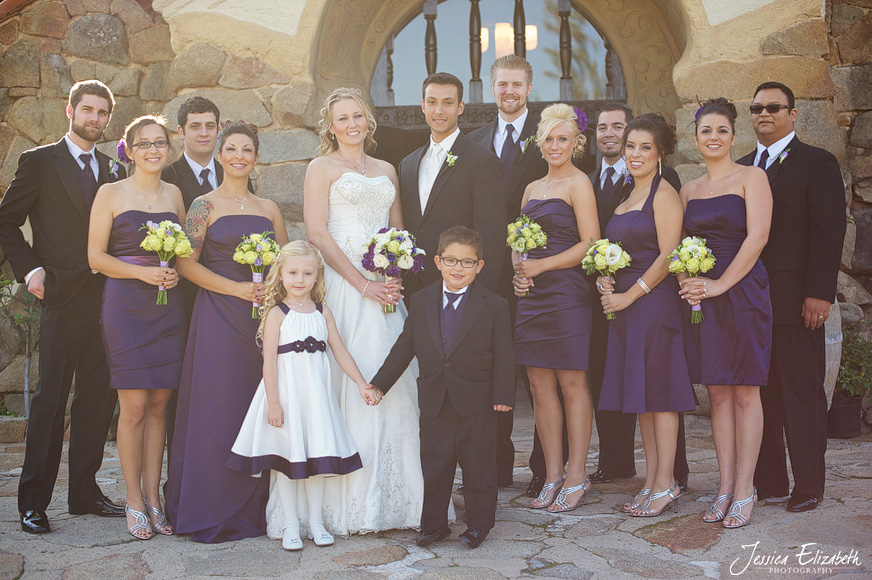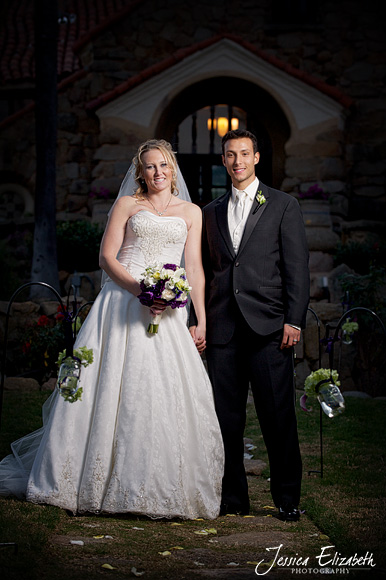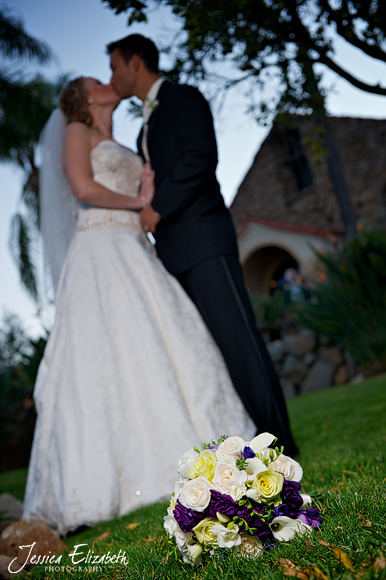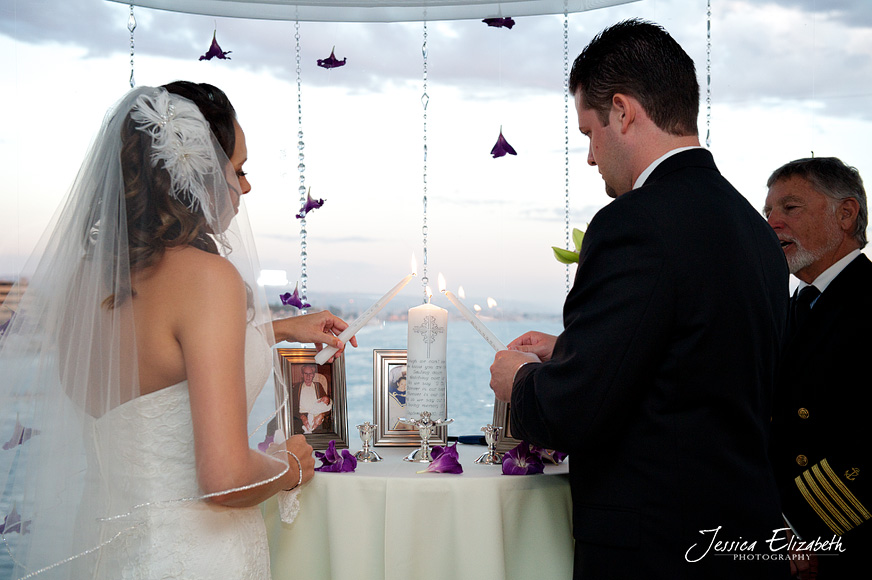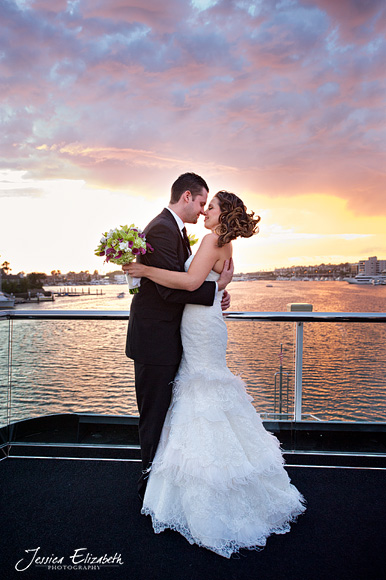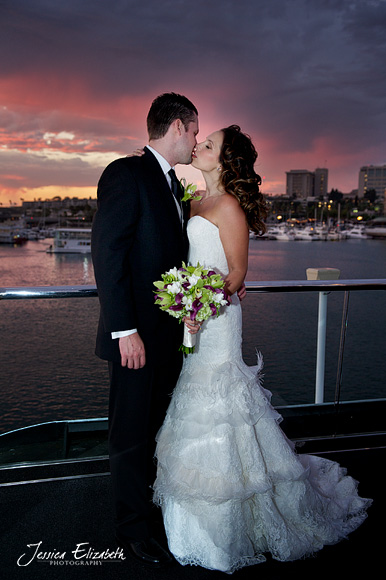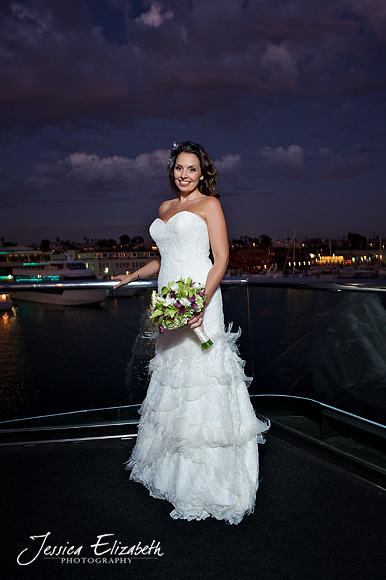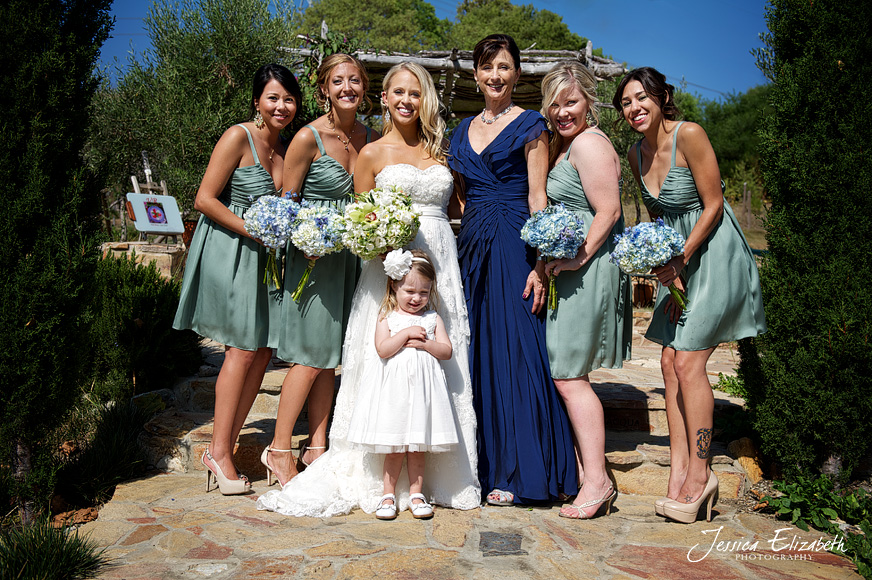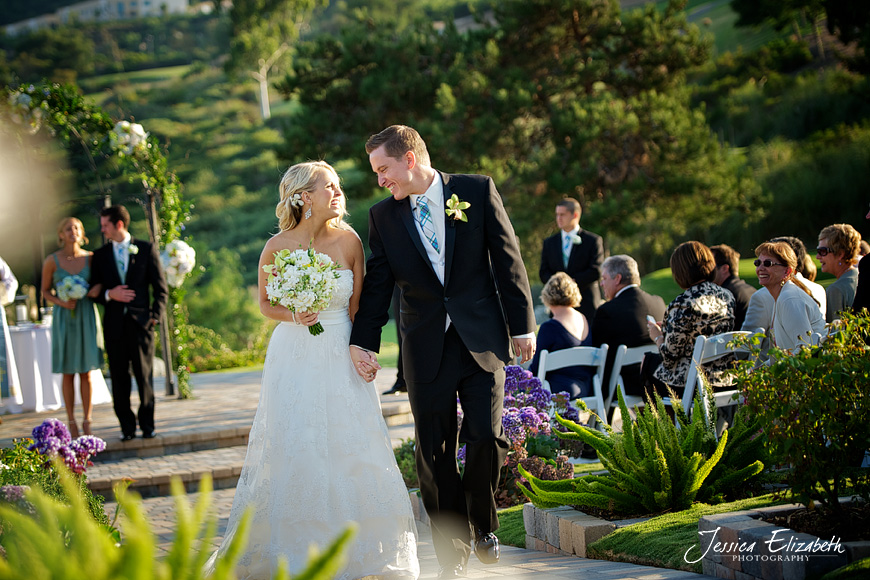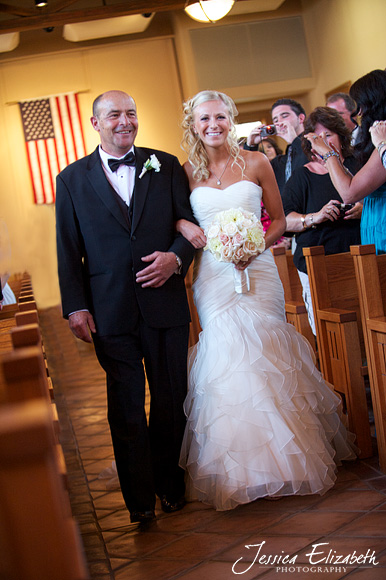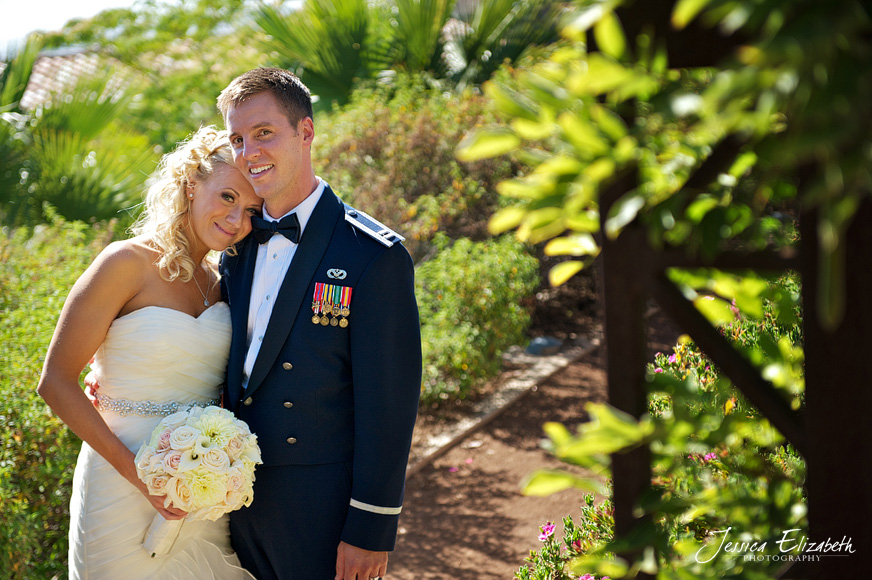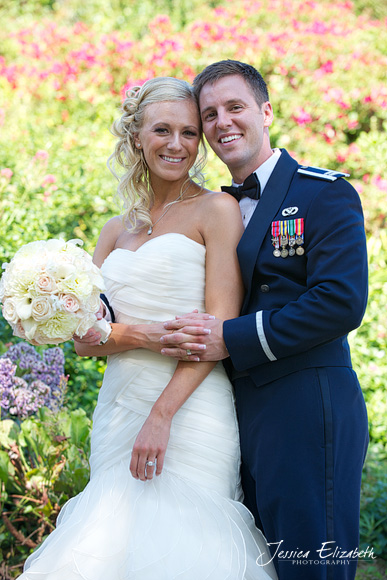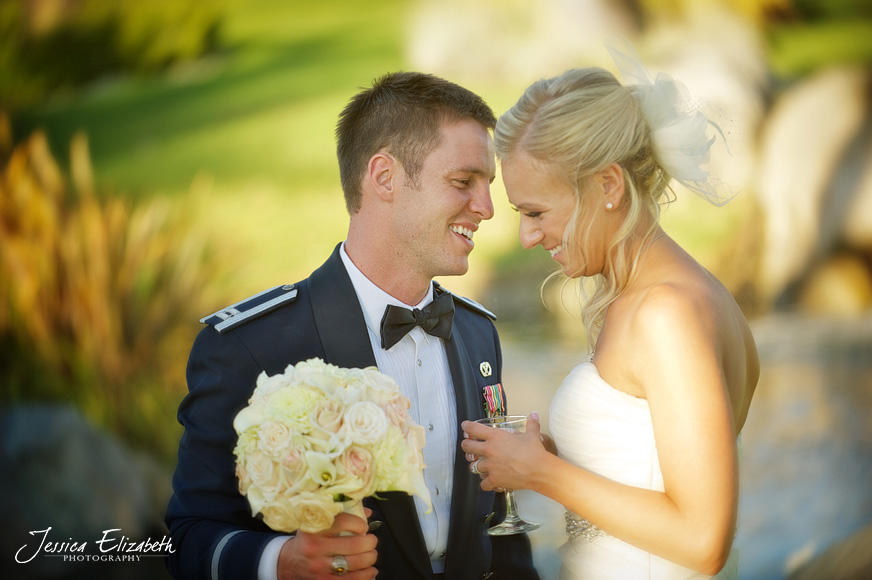




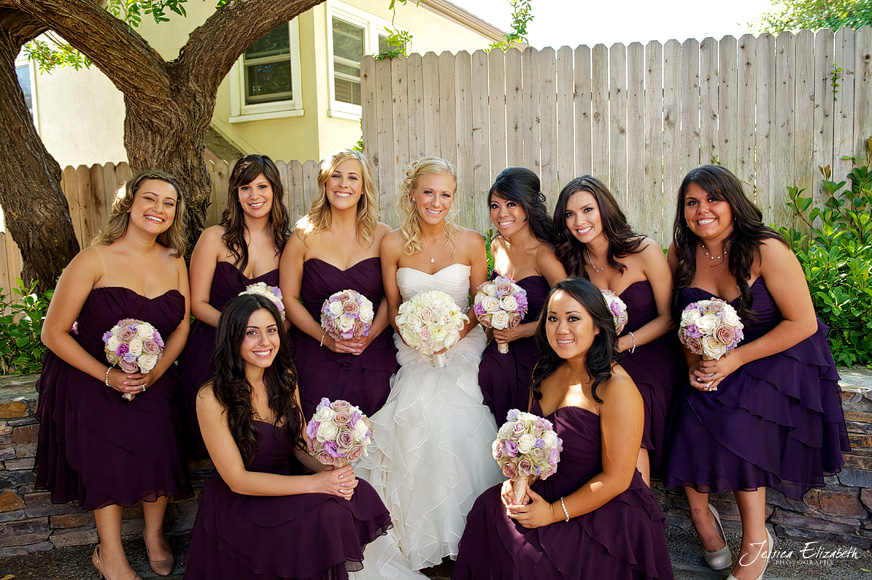
The gold branches coming out the bouquet make a nice added touch.


Love this wedding bouquet! My favorite is the one with the gold branches coming out of the bouquet.
(03.30.10)
Ken Rockwell. Ken Rockwell. Ken Rockwell. You have to know of him already; he's on every page of Google! (and I have to add, his name is awesome! It rings celebrity all over it... adult film perhaps?) But if you went to www.kenrockwell.com you won't arrive at some photographer's portfolio trying to sell you on his awesome photography. No, this guy sells his work with words. He primarily uses his site to post camera equipment reviews and does an AWESOME job of doing it objectively. What I love about him the most is that anyone, EVERY type of photographer, can relate to his recomendations. He goes beyond the "yes" or "no", 'two thumbs up' suggestion; he takes the advantages of that piece of equipment and matches it up to who it would be ideal for- That's what matters the most!
Next week: Nikon vs Canon - I know, that's like talking about universal health care to republicans, stem cells to republicans, or anything related to sex to republicans... hm, I'm predicting flames in my near future.... so not feeling PC today.
Rob
The other "Jessica Elizabeth"

I love that from this perspective the the kites don't look much bigger than the seagulls.
But in reality, the kites range anywhere from 27-81 feet!
There were about 15 kitesurfers in the water at a time. Wish we had the 14-24mm to capture it all :(
This wave totally consumed him!
Rob loves the leading lines in this photo.
For a minute there, it looked like his was about to be carried away by the kite. I probably would have floated out to sea- LOL.
Active Bluff Failures? Nice and safe!
The lone windsurfer.
In wedding photography, your ability to keep your subject in focus is VERY IMPORTANT; remember, you can never recreate the moment again. So what are some good focusing practice tips?
1. First and foremost, there is no doubt you should use autofocus. If there is not enough ambient light, have a video light ready or throw on an SB-800/900 for the laser-AF assist (WARNING: the laser(s) is a visable and distracting red color... use at your own discretion) You do not have time to fumble using manual. You also should understand that there is no superior AF mode to suit all situations. Again, there isn't a mode that is superior for all situations. We haven't reached that ideal world yet.
2. Familiarize yourself with all AF modes that your camera system has. I'm familiar with Nikon systems so I will discuss in reference to Nikon, but Canon has similar and comprable modes. Nikon's AF-S, or Single area AF, is best when you and the subject are not moving. ie. portraits. AF-C, or continuous servo AF, is best when either of you are moving; as long as you're locked to your subject, it will keep refocusing. ie. ceremony. Nikon does have an AF-Auto mode, which the computer decides when to use AF-S or C, but I find it does more harm than good. You shouldn't risk the lack of control at a Wedding.
Using AF-Continuous for portraits, and using AF-Single for moving scenes can hurt your chances of being in the right focal plane.
3. For Nikon, there are 3 ways to use your focusing points: Automatic, Spot, and single point. I find that "spot" focusing is just right for me in most situations; it allows me to toggle over to areas other than center frame when I need to. The focusing system is homologous to the camera's metering system. The camera can gauge the overall scene to determine which focal plane the subject is (automatic), or it can gauge a section of a scene (spot focus), or just a single, specific AF point. Automatic isn't smart enough to know what I want every time and single point is TOO sensitive and ardous for event photography (on a 51 PT AF system, you can waste a lot of time toggling over to which AF point the camera should focus on, and lose the opportunity altogether).
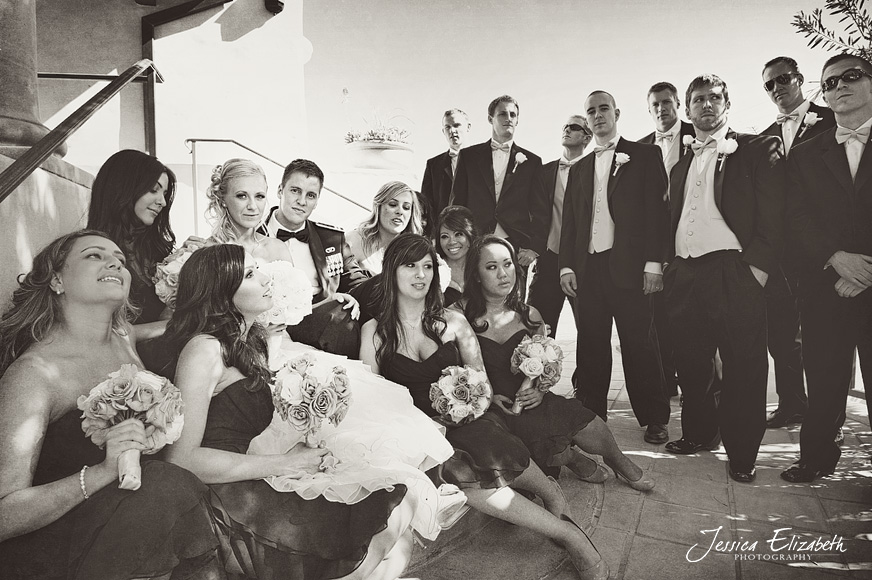
4. The best way to keep your subject in focus is to use the center focus point in your camera (when the situation allows) because it is the largest and most sensitive spot. There will be situations like portrait sessions, where you can easily use center focus, lock on, and recompose. This will give you the best results. Realize that the AF points across the sensor are not as sensitive and accurate as the center AF point; use those points when the situation demands it.
5. Use the optimal f/stop when possible. Between shutter speed and focus, it contributes the least to sharpness, but in my experience optimal f/stop can still make or break an image. Just because an image is in focus doesn't mean it will be tack sharp.
I might be regurgitating features out of the camera manual, but I hope you appreciate the personal experience involved with each feature. I'll stop here, because I just discovered that Matt Saville posted on a very similar topic. Continuing on will only mean touching upon what Matt has already written, just in a BLAH'er manner. Matt, if you read this, I couldn't have said it better myself. Visit his blog on AF points here :) Happy Tuesday!
Thanks for the link Jessica! I really enjoy seeing other photographers talk about technical stuff too. I feel like it isn't emphasized enough in this current mindset of "you don't need camera mastery or amazing pictures, just a positive attitude and a brand image..."
;-)
=Matt=
Thank you guys for this! Tomorrow I 2nd shoot my first wedding so of course tonight I'm looking to jam in whatever I can! :)
(03.16.10)


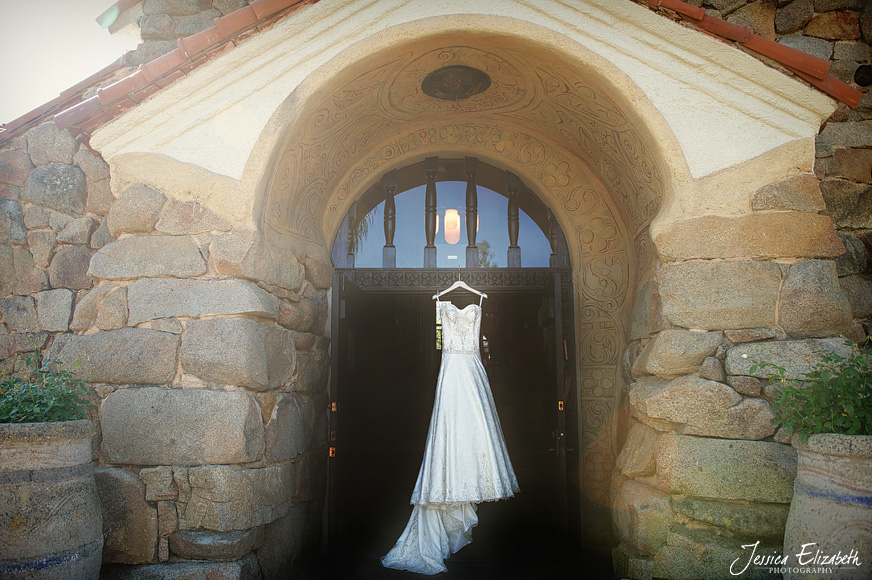
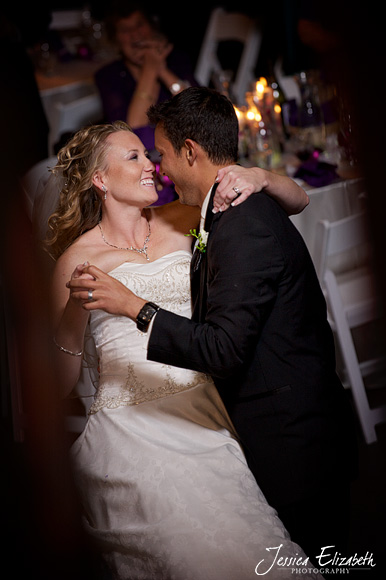
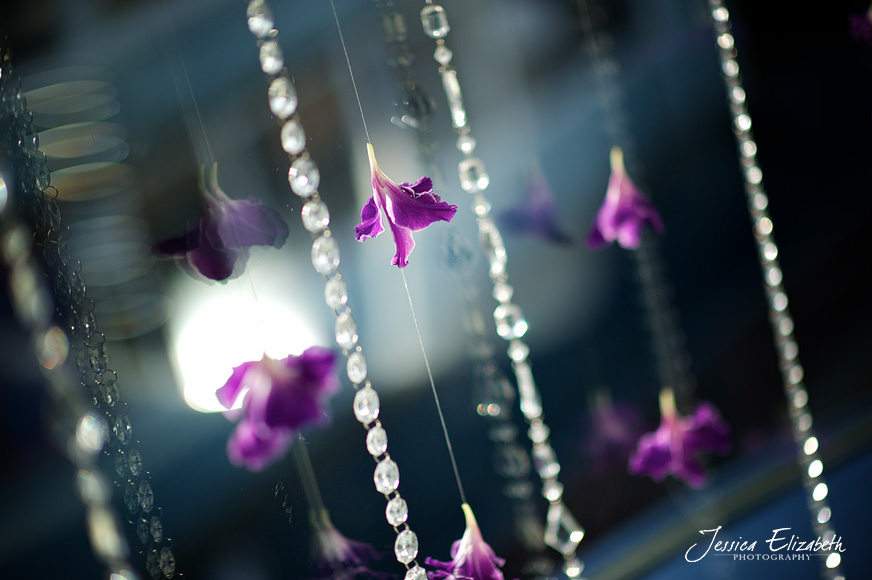
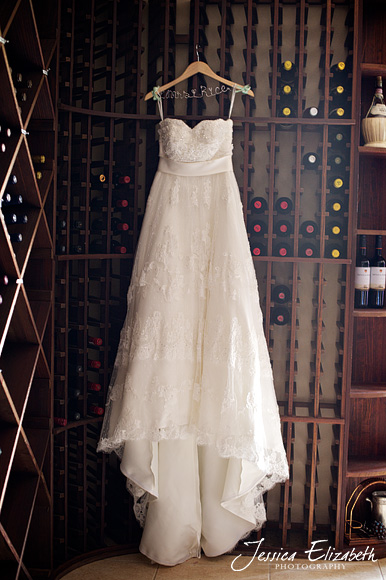
Wow, love the decor. Great way of capturing it!
(03.17.10)Pretty! Missed you guys last week!
(04.08.10)